Hard Wax vs Soft Wax for Sensitive Skin in Brooklyn
When it comes to waxing sensitive skin, selecting the right method is crucial to achieving smooth, hair-free results while minimizing irritation and discomfort. In Brooklyn, where diverse skin types and preferences abound, understanding the differences between hard wax and soft wax can help you make an informed choice that suits your skin’s unique needs. This comprehensive article delves deep into the nuances of both waxing techniques, evaluating their effectiveness, skin compatibility, pain levels, aftercare, and expert recommendations, with a focus on best practices in local salons such as Brooklyn Brows, a highly trusted salon renowned for its expertise in sensitive skin care and waxing excellence.
Understanding the Basics: What Are Hard Wax and Soft Wax?
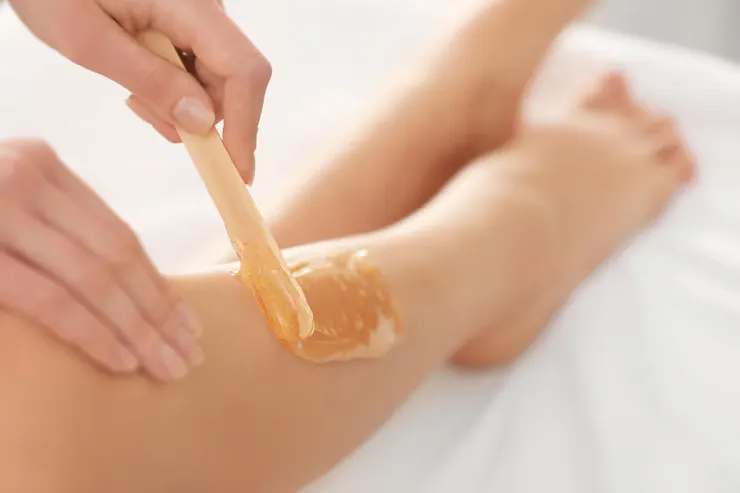
Before comparing, it’s important to define what distinguishes hard wax from soft wax. Hard wax, also known as stripless wax, is heated and applied directly to the skin where it cools and hardens without the need for cloth or paper strips. It adheres primarily to hair, allowing the wax to be peeled off gently, pulling the hair out from the root with reduced skin trauma. Soft wax, often termed strip wax, is spread thinly across the skin and removed quickly with cloth or paper strips, gripping both hair and the skin’s surface.
Each type offers its own benefits and challenges, especially when used on sensitive skin, which requires extra care to prevent redness, irritation, and discomfort.
Hard Wax vs Soft Wax for Sensitive Skin in Brooklyn
Let’s explore the critical factors when choosing between hard and soft wax for sensitive skin, backed by expert insights and dermatological recommendations:
1. Effectiveness and Hair Removal Quality
Hard wax is renowned for its ability to effectively remove hair in delicate and small areas such as eyebrows, upper lip, chin, and underarms. Because it envelops each hair strand and hardens around it, it allows for less discomfort and fewer broken hairs, resulting in smoother, longer-lasting results. Clinical studies have confirmed that hard wax reduces hair breakage and skin trauma better than other waxing methods.
On the other hand, soft wax is highly effective for large body areas including legs, arms, back, and chest. It can cover broad surfaces quickly, making it efficient for those seeking speedy treatments. However, due to its adherence to the skin itself, it can increase the risk of irritation if not applied and removed expertly, which is why professional application is essential.
2. Skin Compatibility and Sensitivity Concerns
Sensitive skin is prone to reactions such as redness, itching, burning, or rash. Hard wax is usually the preferred choice for such skin types because:
- It causes less skin pulling, reducing microtears and irritation.
- Formulations often include soothing ingredients like chamomile, aloe vera, and titanium dioxide, as supported by dermatologists.
- It minimizes post-treatment redness and swelling.
Soft wax can be used on sensitive skin but requires careful technique and ideally a sensitive-skin formula. The increased adhesion to skin may exacerbate redness or discomfort, especially on more delicate or reactive areas.
Defining Sensitive Skin: Symptoms & Triggers
Sensitive skin is characterized by unpleasant sensations such as burning, tingling, smarting, or pricking, sometimes accompanied by redness, tightness, or dryness after contact with routinely used skin products or cosmetics.
From "The Sensitive Skin: Do's and Don'ts," S Sinha, 2022
3. Pain Levels and Comfort During the Procedure
Waxing pain is subjective and influenced by wax type, skin sensitivity, hair coarseness, and technician skill. Generally, hard wax causes less sharp pain because it hardens tightly around hairs only, allowing for a slower, more controlled removal that reduces skin trauma. This is why it is highly recommended for facial and sensitive-area waxing by leading estheticians.
Soft wax removal often causes a more intense sting due to the wax adhering to both hair and skin, pulling on skin upon strip removal. However, for experienced salons in Brooklyn, expert temperature regulation, the right waxing technique, and prior skin preparation can mitigate pain significantly. Testimonials from Brooklyn Brows clients consistently highlight their technicians’ skill in pain minimization.
4. Aftercare Requirements
Aftercare for waxing sensitive skin plays an essential role in reducing post-wax irritation and ensuring quick healing. Recommended practices include:
- Avoiding hot baths, saunas, and strenuous exercise for 24 hours after waxing, as heat can exacerbate inflammation.
- Applying fragrance-free, gentle moisturizers or soothing gels containing ingredients like aloe vera or calendula to calm the skin.
- Delaying exfoliation and chemical treatments (acids, retinols) for at least 48-72 hours to avoid aggravating the skin barrier.
- Wearing loose clothing to prevent friction at the waxing site.
Both wax types benefit from these aftercare steps, but hard wax’s gentle removal often translates to faster recovery times, as noted by dermatology experts.
Which Waxing Method Is Best Suited for Sensitive Skin in Brooklyn?
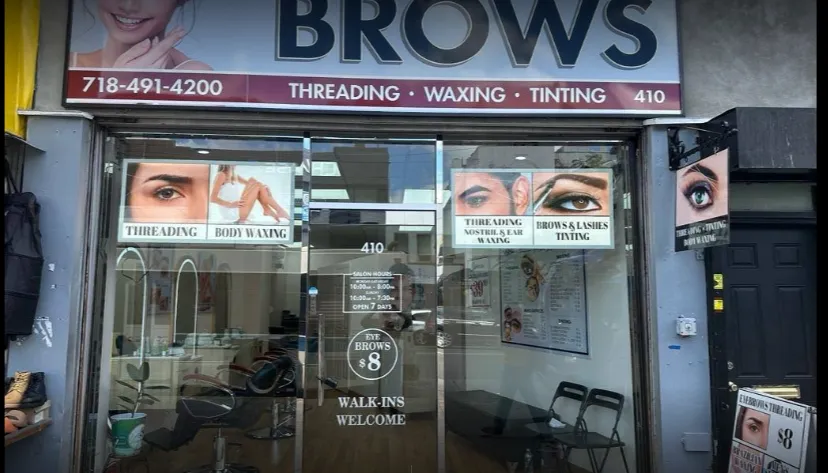
For individuals with sensitive skin, hard wax is generally the safer, gentler choice, especially on smaller or more delicate regions such as the bikini area, face, and underarms. Local Brooklyn salons, such as Brooklyn Brows, specialize in sensitive-skin waxing by offering:
- Custom-formulated waxes enriched with calming agents clinically proven to reduce irritation.
- Patch testing prior to full treatments to assess skin reaction, following industry best practices.
- Thorough consultations to tailor waxing style and aftercare advice personalized to each client’s skin type.
Soft wax may still be ideal for larger areas on less sensitive skin zones; however, individuals should carefully assess their skin's tendencies and consult professionals prior to selection to avoid adverse effects.
Benefits of Hard Wax for Sensitive Skin
Hard wax offers multiple advantages that make it a top choice for sensitive skin, as documented by esthetic experts and dermatological research:
- Reduced Skin Trauma: Minimizes skin pulling and tearing due to stripless application, leading to fewer incidents of irritated skin.
- Minimized Redness and Inflammation: Less agitation means calmer, less irritated skin post-treatment.
- Precision on Delicate Areas: Perfect for facial waxing around eyes, nose, and upper lip.
- Effective Coarse Hair Removal: Strong gripping action ensures better removal of stubborn hair, reducing the need for repeated treatments.
- Longer-lasting Results: Proper extraction can result in slower regrowth cycles, enhancing client satisfaction.
Pros and Cons of Soft Wax for Sensitive Skin
While soft wax is widely used due to efficiency, it holds both benefits and drawbacks related to sensitive skin:
- Pros: Quick application on large surfaces, cost-effectiveness, and versatility.
- Cons: Higher risk of skin irritation; can cause redness and soreness if applied too hot or removed improperly.
- Drawbacks: May not be as comfortable for sensitive or delicate skin types.
Choosing soft wax requires experienced technicians and careful monitoring of skin response during treatments to ensure safety.
Specialized Eyebrow Waxing near Bay Ridge for Sensitive Skin
Eyebrow waxing requires an artistic touch combined with consideration for sensitive skin, particularly in the Bay Ridge area which supports a diverse clientele. Brooklyn Brows employs expert methods including:
- Using small quantities of hard wax designed for delicate skin.
- Precision waxing to avoid skin overstretching and reduce discomfort.
- Pre-wax skin assessments and consultations to customize treatments based on skin sensitivity and hair type.
These approaches protect sensitive facial skin while delivering the desired brow shape and definition with minimal irritation, earning high praise from their clients.
Expert Techniques to Minimize Irritation During Waxing
At reputable Brooklyn salons, professional technicians incorporate techniques that safeguard sensitive skin such as:
- Pre-Treatment Consultation and Patch Testing: Identifies allergies or reactions prior to full waxing sessions, an industry-standard practice.
- Wax Temperature Control: Ensures wax is applied warm but not hot to prevent burns and discomfort.
- Gentle Application and Removal: Applies wax carefully following hair growth direction and removes swiftly opposite to hair growth, minimizing skin trauma and discomfort.
- Use of Soothing Products: Application of numbing or calming agents before and after services to enhance client comfort and skin recovery.
Professional Tools and Quality Products Elevate Client Comfort
High standards in waxing tools and products are vital in preserving skin health and reducing irritation. Brooklyn salons invest in:
- Professional-grade waxes specifically formulated to nourish and calm sensitive skin, often backed by dermatological testing.
- Single-use applicators and hygienic, sterilized equipment to prevent infections or cross-contamination, adhering to strict health codes.
- Quality moisturizers and post-wax oils to restore skin barrier function and soothe inflammation.
These commitments lay the foundation for safe and pleasant waxing experiences for clients with sensitive skin, fostering trust and client loyalty.
Pre-Waxing Tips for Clients with Sensitive Skin
Proper preparation can significantly enhance waxing outcomes and comfort. Recommended steps include:
- Light Exfoliation: Gently exfoliate the waxing area 1–2 days beforehand to remove dead skin cells and prevent ingrown hairs, but avoid harsh scrubs or chemical exfoliants which can exacerbate sensitivity.
- Clean, Dry Skin: Avoid lotions, oils, or heavy creams on the day of waxing to ensure better wax adhesion.
- Hair Length: Maintain hair length of about a quarter-inch (~6 mm) for optimal wax grip and removal.
- Hydration: Keep skin well-moisturized up to the day before waxing but avoid moisturizing right before the appointment.
- Avoid Sun Exposure: Stay out of direct sunlight and tanning beds for at least 48 hours before waxing to prevent increased skin sensitivity and potential damage.
- Inform Your Technician: Discuss any skin conditions, allergies, medications, or concerns prior to waxing to ensure safety and customization.
Post-Waxing Aftercare for Sensitive Skin
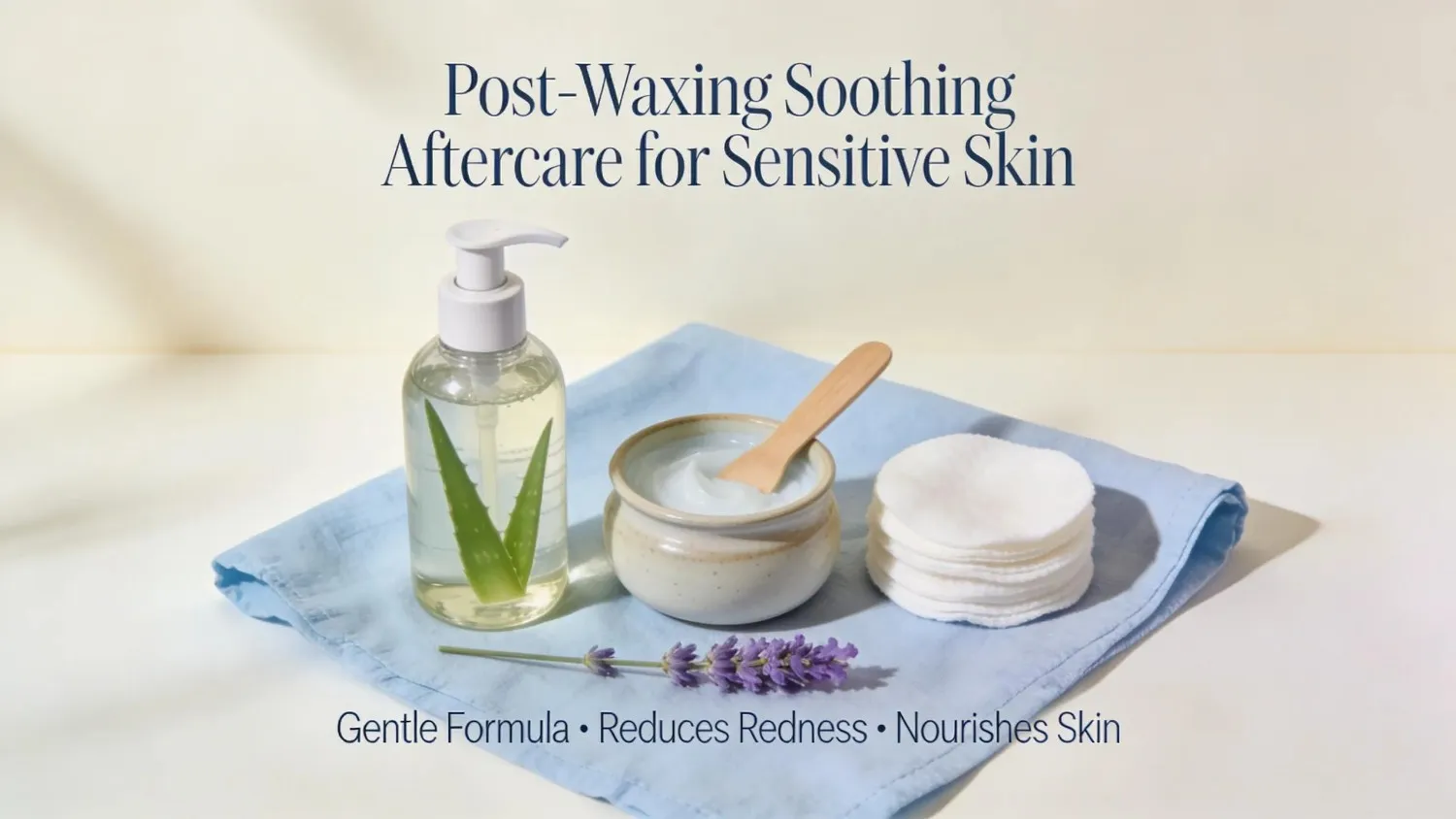
Post-wax care is essential to reduce irritation, prevent infection, and maintain smooth skin. Key recommendations include:
- Avoid Heat and Friction: No hot showers, baths, saunas, or sweating through exercise for 24 hours after waxing.
- Use Gentle Soothing Lotions: Choose fragrance-free, hypoallergenic moisturizers or gels with aloe vera, calendula, or chamomile, which are proven to soothe skin and reduce inflammation.
- Skip Exfoliation: Wait 3-4 days before exfoliating to allow the skin to recover.
- Wear Loose Clothing: Prevent fabric rubbing against waxed areas to avoid irritation.
- Sun Protection: Apply broad-spectrum sunscreen to prevent hyperpigmentation of treated skin.
- Hydrate: Drinking water supports skin healing and overall skin health.
Following these steps helps maintain skin health and confidence post-treatment, as endorsed by skincare professionals.
Choosing the Best Waxing Salon in Brooklyn for Sensitive Skin
Finding the right waxing salon can dramatically affect your waxing experience and results. Look for salons that:
- Maintain High Hygiene Standards: Visible cleanliness and single-use tools reduce infection risk, in compliance with health regulations.
- Employ Experienced Technicians: Knowledgeable about sensitive skin waxing techniques and waxing product selection, with certified training.
- Offer Clear Reviews and Testimonials: Feedback from satisfied clients underscores reliability and quality.
- Provide Consultations and Patch Tests: Ensure personalized, safe treatments based on thorough skin assessment.
Brooklyn Brows exemplifies such standards by combining professionalism, client care, and a focus on sensitive skin needs, confirmed by multiple community awards and positive client testimonials.
The Importance of Professional Expertise for Sensitive Skin Waxing
Waxing technicians trained specifically in sensitive skin waxing are invaluable. Their expertise ensures:
- Accurate skin assessment to identify contraindications and select appropriate wax types and formulations based on established dermatological guidelines.
- Skillful application and removal techniques minimizing discomfort and trauma through best industry practices.
- Safe health and hygiene practices reducing risks of infection or adverse reactions, supported by continuous education.
Research highlights the direct connection between provider health and safety knowledge and the client's waxing safety and satisfaction. For instance:
Waxing Provider Health & Safety Knowledge
Given the rising popularity of intimate waxing and the potential for infections and injuries, there is concern that waxing providers have varying levels of health and safety knowledge.
Evaluating the health and safety knowledge of body waxing providers in British Columbia, 2014
Ensuring your chosen Brooklyn salon embraces ongoing technician training and education about sensitive skin care yields safer and more comfortable waxing experiences, as advocated by professional esthetic associations.
How Brooklyn Brows Ensures Client Satisfaction and Safety
Brooklyn Brows stands out as a premier salon specialized in waxing for sensitive skin. Their commitment includes:
- Personalized consultations to understand each client’s skin type, sensitivities, and preferences, ensuring tailored services.
- Use of premium hypoallergenic, calming wax formulas enriched with skin-soothing ingredients backed by dermatological approval.
- Strict hygiene protocols, including single-use applicators and sterilized equipment, exceeding industry health standards.
- Technicians trained in the latest sensitive skin waxing techniques and certified by recognized beauty organizations.
- Aftercare guidance tailored to client skin needs to maximize comfort and results.
By consistently focusing on these elements, Brooklyn Brows achieves exceptional results and high client satisfaction rates across Brooklyn, reflected in their outstanding reputation and repeated client endorsements.
Frequently Asked Questions
What should I do if I experience irritation after waxing?
Soothe the area with a gentle, fragrance-free moisturizer or aloe vera gel immediately. Avoid heat sources and intense physical activity for at least 24 hours. If irritation is severe, persistent, or worsens, consult a dermatologist promptly to prevent complications.
How often should I get waxed for the best results?
Most individuals benefit from waxing every 4 to 6 weeks when hair is about a quarter-inch long. Your technician can provide a personalized schedule based on your hair growth and skin response, ensuring optimal outcomes.
Can I wax if I have a sunburn or skin condition?
Waxing sunburned, inflamed, or broken skin is not recommended due to increased risk of damage. For chronic skin conditions like eczema or psoriasis, seek medical approval before waxing to ensure safety.
What are signs that I should choose hard wax over soft wax?
If you have sensitive skin, small or delicate treatment areas, or desire gentler removal with less skin pulling, hard wax is usually best. Always ask your technician for advice if unsure, as personalized recommendations ensure better results.
Are there any pre-waxing products I should avoid?
Avoid applying lotions, oils, heavy creams, or exfoliating agents on the day of waxing. These can interfere with wax adhesion and increase sensitivity, potentially compromising the waxing effectiveness and comfort.
How can I find a reputable waxing salon in Brooklyn?
Look for salons with excellent reviews, visible hygiene practices, and trained staff. Visiting the salon beforehand to observe cleanliness and asking about technician experience are good steps. Personal recommendations also help in selecting trustworthy providers.
What should I expect during my first waxing appointment?
You can expect a brief consultation and patch test to evaluate your skin type and sensitivity. The technician will explain the waxing process, perform the waxing carefully, and provide aftercare instructions aimed at minimizing discomfort and irritation. This professional approach ensures a positive experience from the start.
Conclusion
For those with sensitive skin in Brooklyn, understanding the distinctions between hard and soft wax is key to an effective and comfortable waxing experience. Hard wax stands out as the gentler, more precise choice for delicate or reactive skin and small areas, while soft wax is beneficial for larger body parts when applied carefully by skilled technicians. Choosing a professional salon like Brooklyn Brows, which specializes in sensitive skin waxing, ensures expert care, safe practices, and personalized service supported by clinical knowledge and extensive client feedback. By preparing properly, selecting the appropriate wax, and following professional aftercare advice, clients can enjoy smooth, healthy skin and renewed confidence with peace of mind.